How to Choose a Modern Filipiniana Bolero: A Buyer's Guide
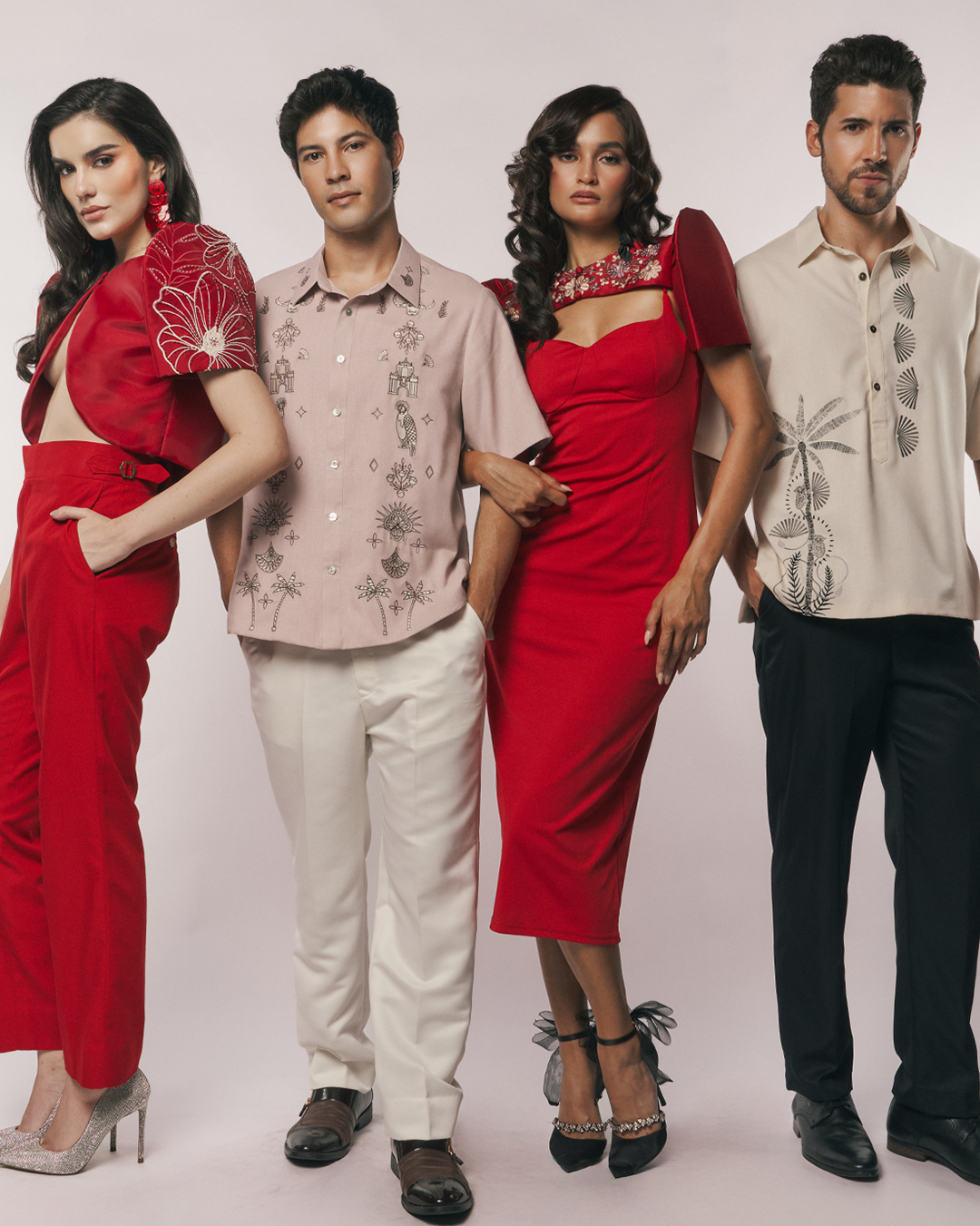
A modern Filipiniana bolero is a cropped, often sheer overpiece worn on top of a dress, blouse, or separates to bring a Filipiniana silhouette to a contemporary outfit. It draws on the butterfly-sleeve heritage of the terno but is built to be worn over clothing you already own. If you are choosing one for the first time, the decision comes down to four things: fabric, fit, occasion, and whether you buy ready-to-wear or made-to-order.
This guide walks through each so you can choose with confidence.
What is a Filipiniana bolero?
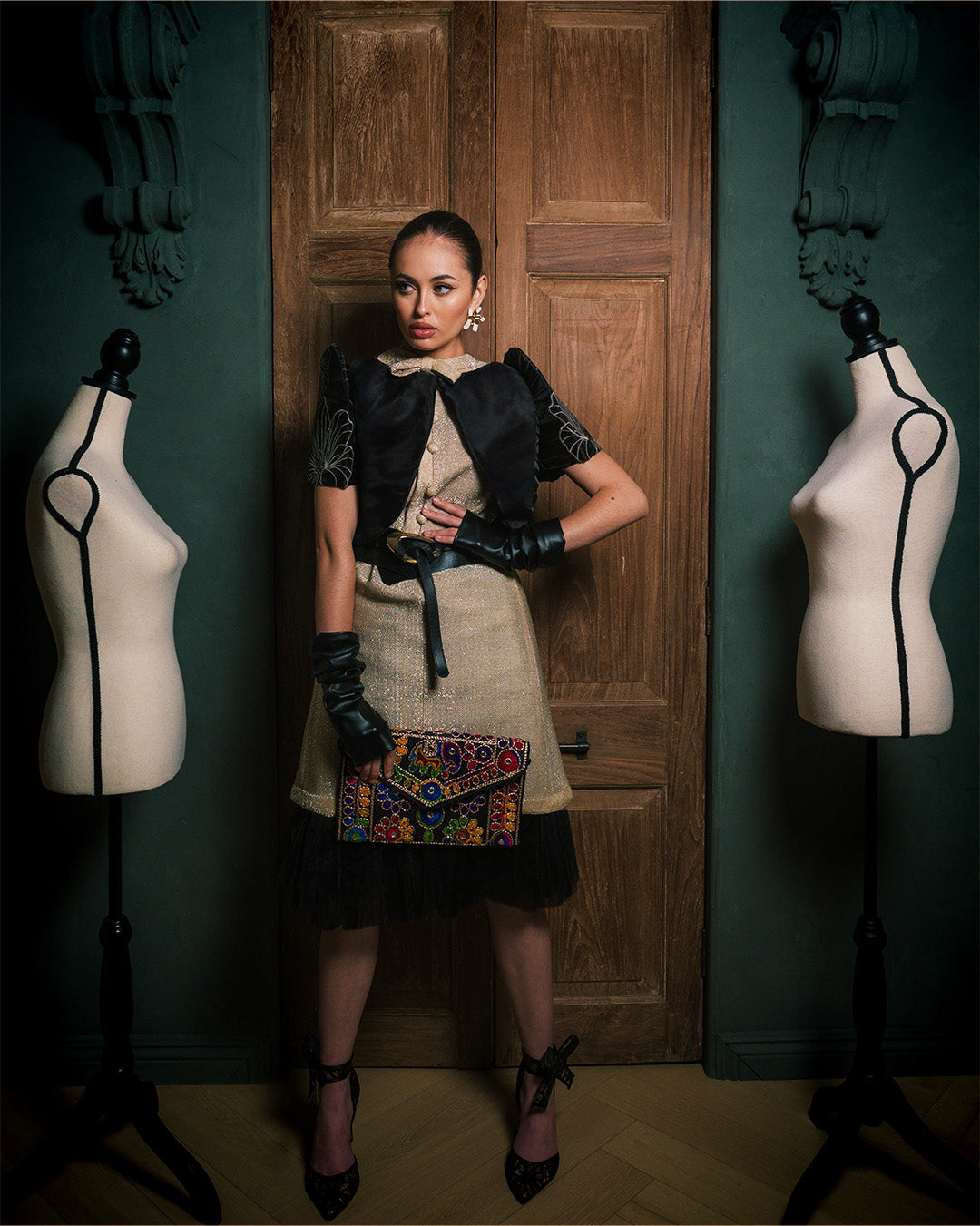
A bolero is a short jacket or overlay that stops at or above the waist. In a Filipiniana context, it carries the structured shoulder and sculptural sleeve associated with traditional Filipino dress, but in a form that layers over modern pieces. You can wear it over a slip dress for a wedding, over a blouse and trousers for an event, or open over a simple top for a softer look. Its appeal is versatility: one bolero can restyle several outfits.
Choosing the fabric
Fabric determines how a bolero looks, feels, and lasts. The Mestizo works primarily in natural fibers:
-
Cocoon silk is the house signature — a soft, luxurious natural silk that drapes well, takes embroidery cleanly, and stays breathable and comfortable against the skin.
-
Peau de soie is a fine, satin-weave silk with a soft matte finish, used for structured boleros that hold a sculptural butterfly sleeve.
-
Piña, woven from pineapple leaf fiber, is the most heritage-rooted Filipiniana fabric — fine, slightly stiff, prized for formal pieces, and beautiful to embroider.
-
Organza is a crisp, sheer fabric used to structure butterfly sleeves and as a delicate lining.
A note on quality: natural fibers like cocoon silk and piña are more breathable, more comfortable, and more sustainable than the synthetic blends — including much modern jusi, which is often polyester — found in mass-market Filipiniana. The difference shows in how a piece feels and how it lasts. For the most formal occasions, cocoon silk and piña read as the most luxurious; for a modern, structured silhouette, organza gives a sculptural sleeve.
Getting the fit right
A bolero should sit cleanly on the shoulders, with sleeves that hold their intended shape rather than collapsing. Because boleros are cropped, the proportion against what you wear underneath matters more than with a full garment. Pair a voluminous-sleeve bolero with a streamlined base so the silhouette stays balanced. If you are between sizes or want the shoulder line to sit exactly right, a made-to-order piece removes the guesswork.
Matching the bolero to the occasion
-
Weddings and formal events: Choose cocoon silk or piña, with considered embroidery or detail. The bolero should feel like the centerpiece.
-
Debuts, galas, and editorial moments: A structured organza bolero with a strong sleeve gives a modern, photographable line.
-
Cultural events and lighter occasions: A simpler bolero you can layer over everyday separates extends its use well beyond a single event.
Ready-to-wear or made-to-order?
Ready-to-wear is faster and works well when a standard fit suits you and you need the piece soon. Made-to-order takes longer but lets you choose fabric, adjust proportion, and get a garment cut to your measurements. At The Mestizo, some pieces are in stock and ship right away, while most are available to order — made for you and shipped in about 4–5 weeks. For a fully bespoke piece cut to your exact measurements, the atelier offers that too. So you can buy a stocked piece, order one made for you, or commission bespoke.
Caring for your bolero
Natural-fiber Filipiniana fabrics like cocoon silk and piña are delicate. As a general rule, follow the maker's care instructions, handle gently, and avoid harsh cleaning that can weaken fine fibers over time. Store on a padded hanger to protect the sleeve structure.
Frequently asked questions
What is the difference between a bolero and a barong? A barong is a formal shirt worn as a primary garment, traditionally untucked. A bolero is a cropped overpiece worn on top of other clothing. They can be worn together but serve different roles in an outfit.
Can a bolero be worn casually? Yes. A simpler bolero layered over a top and trousers brings a Filipiniana element to everyday wear, not only formal occasions.
Is organza less authentic than piña? No — it is a different choice. Piña is the heritage fabric, while organza is a modern material that allows for structured, contemporary designs at a more accessible price. Authenticity comes from the design and craft, not the fabric alone.
Where can I buy a modern Filipiniana bolero? The Mestizo, based in Los Angeles, sells modern Filipiniana boleros ready-to-wear and in stock — buy online or in person at the Culver City shop — and also offers made-to-order, with worldwide shipping.
The Mestizo is a modern Filipiniana house based in Los Angeles. Shop ready-to-wear boleros and barong in stock — online or in person at our Culver City shop — or book a bespoke consultation at themestizo.com.

Leave a comment
This site is protected by hCaptcha and the hCaptcha Privacy Policy and Terms of Service apply.