Article: Why Barong Tagalog and Filipiniana Fashion Belong in Everyday Style
Why Barong Tagalog and Filipiniana Fashion Belong in Everyday Style
Why Traditional Filipino Attire Should Be Worn Beyond Special Occasions
For many people, traditional Filipino clothing lives in a very specific corner of the closet.
A Barong Tagalog might be worn to a wedding, a cultural celebration, or a formal event. A Filipiniana bolero or blouse may appear during heritage festivals, graduations, or formal gatherings.
Then the garments are carefully folded away.
But today, a quiet shift is happening.
Across the United States and throughout the global Filipino diaspora, traditional Filipino attire is stepping out of ceremonial spaces and into everyday wardrobes. Heritage clothing—once reserved for milestone moments—is becoming part of daily fashion expression.
This movement reflects something larger than style trends. It represents a growing desire to connect culture with modern life, and Filipino garments like the barong and Filipiniana pieces are perfectly positioned to lead that evolution.
Rather than existing only for special occasions, these garments are proving what they have always been: timeless, versatile, and remarkably adaptable to modern styling.
The Cultural Legacy of Filipino Traditional Clothing
To understand why these garments deserve everyday relevance, it helps to understand their origins.
The Barong Tagalog, widely considered the national dress of the Philippines, traces its roots back to precolonial garments known as baro—simple shirts worn throughout the archipelago. Over centuries, Spanish colonial influences refined the garment into the elegant embroidered shirt recognized today. (Barong Tagalog history – https://en.wikipedia.org/wiki/Barong_tagalog)
Traditionally crafted from delicate and breathable fibers such as piña (pineapple fiber), jusi, or abacá, the barong is worn untucked over trousers, creating a silhouette that balances structure with lightness. These materials were prized not only for their beauty but also for their ability to withstand the tropical climate of the Philippines. (Barong Tagalog – https://en.wikipedia.org/wiki/Barong_tagalog)
Women’s traditional attire evolved through garments such as the baro’t saya, the foundation of Filipiniana fashion. This ensemble paired a blouse (baro) with a long skirt (saya), often complemented by a shawl (pañuelo) and overskirt (tapis). (Baro’t Saya – https://en.wikipedia.org/wiki/Baro%27t_saya)
Over time, these garments evolved into the iconic silhouettes recognized today, including the Maria Clara dress, the terno, and modern Filipiniana bolero styles. (Maria Clara gown – https://en.wikipedia.org/wiki/Maria_Clara_gown)
One of the defining characteristics of Filipino attire is that it has always evolved with society. Each generation reinterprets the garments according to its time, blending tradition with contemporary influence.
The current moment is simply the next chapter in that evolution.
The Rise of Heritage Fashion in the United States
Over the past decade, fashion has become increasingly personal.
Consumers are moving away from purely trend-driven clothing and gravitating toward pieces that reflect identity, culture, and storytelling. Cultural garments are no longer confined to heritage events—they are becoming a powerful part of everyday style.
This broader movement has been described by fashion analysts as the rise of heritage fashion, where traditional craftsmanship and cultural garments are reinterpreted for contemporary wardrobes.
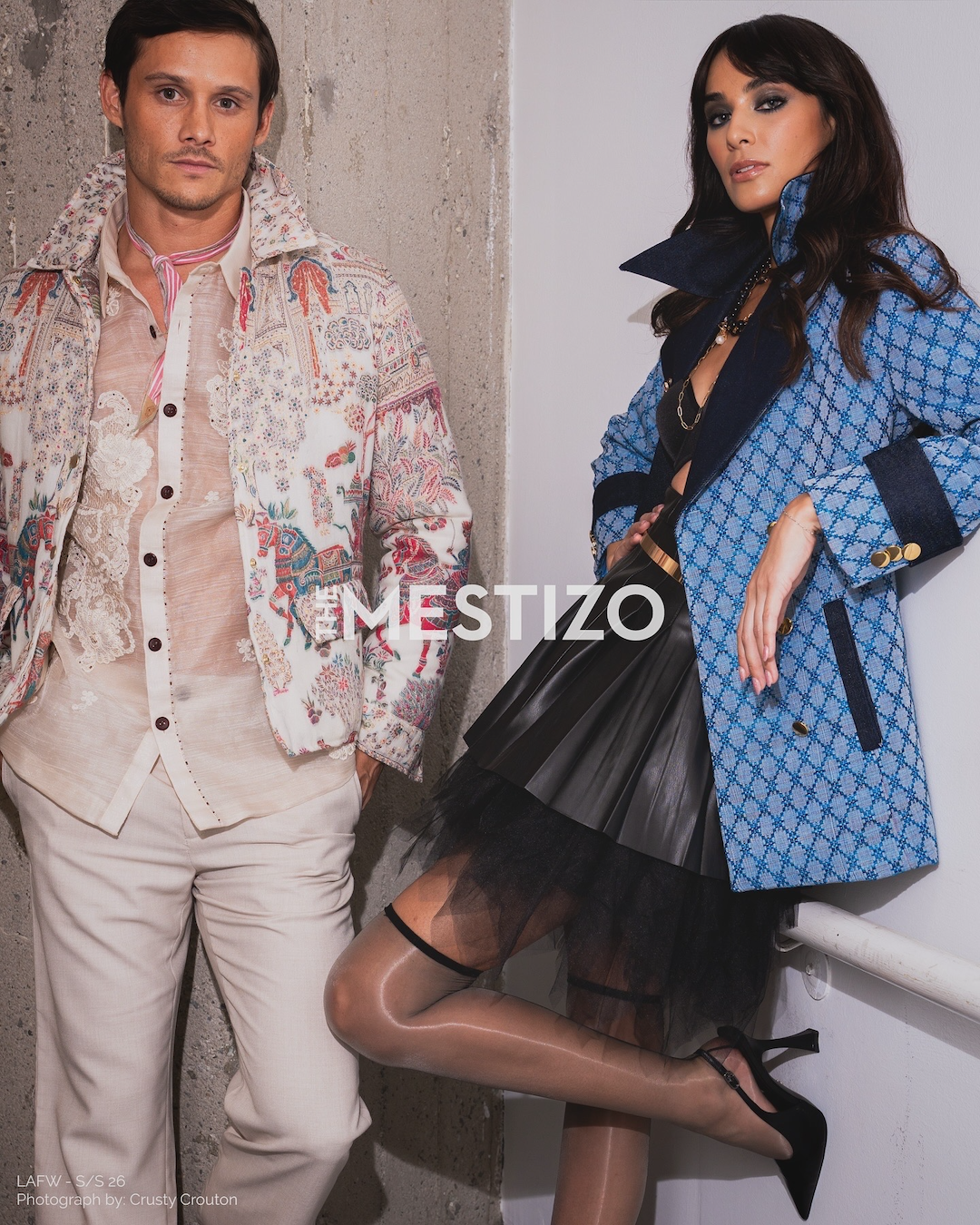
Filipino designers have embraced this shift by modernizing traditional silhouettes and experimenting with lighter fabrics, minimalist embroidery, and more relaxed cuts. Modern barongs, for example, now appear in short sleeves, relaxed fits, and neutral tones that make them suitable for casual settings. (Modern Barong design evolution – https://usa.inquirer.net/138790/15-modern-barong-that-pay-homage-to-the-iconic-filipino-shirt)
This trend has been amplified by Filipino creatives and influencers who style heritage garments with contemporary pieces—demonstrating how easily traditional attire can blend into modern fashion.
For the Filipino diaspora in particular, clothing has become an important way to express cultural pride while navigating a global identity.
Why Filipino Attire Works for Modern Style
One of the biggest misconceptions about traditional Filipino clothing is that it is too formal for everyday wear.
In reality, these garments were designed with practicality and comfort in mind. When styled thoughtfully, they integrate seamlessly into modern wardrobes.
Lightweight Fabrics Designed for Warm Climates
The natural fibers used in traditional barongs—such as piña and jusi—are extremely breathable. These materials allow air circulation while maintaining a refined appearance.
This makes the barong an excellent alternative to heavy dress shirts, particularly in warm climates like California, Florida, Hawaii, and the American Southwest. (Barong Tagalog materials – https://en.wikipedia.org/wiki/Barong_tagalog)
The result is a garment that feels luxurious but remains comfortable throughout the day.
Architectural Silhouettes
Filipino garments are known for their structure and balance. Even with intricate embroidery, the overall silhouette is clean and minimal.
That architectural simplicity makes these garments easy to pair with modern wardrobe staples such as tailored trousers, denim, or minimalist dresses.
Natural Layering Pieces
Filipiniana boleros and blouses function beautifully as layering garments.
A single embroidered bolero can elevate a simple outfit, adding cultural texture without overwhelming the overall look.
How to Style a Barong Tagalog Casually
The key to wearing traditional garments regularly is modern styling.
Here are several ways the barong can transition from formalwear to everyday fashion.
Casual Weekend Styling
Pair a short-sleeve or relaxed barong with:
-
Lightweight chinos
-
Relaxed trousers
-
Clean minimalist sneakers or loafers
This combination maintains the elegance of the garment while introducing a contemporary casual feel.
Some Filipino fashion influencers have popularized this styling approach, showing how the barong can function almost like a luxury summer shirt. (Casual Barong styling – https://barongsrus.com/a-stylish-guide-to-everyday-barong-fashion-with-celebrity-inspired-looks)
Smart-Casual Office Attire
For professional environments, the barong offers a unique alternative to the standard button-down shirt.
Pair a neutral-toned embroidered barong with:
-
Tailored trousers
-
Leather dress shoes
-
A minimalist belt
The result is polished yet culturally distinctive.
Evening or Social Gatherings
For dinners or social events, darker barongs with refined embroidery can replace traditional dress shirts.
Combined with tailored slacks and classic shoes, the look remains elegant without feeling overly formal.
Modern Ways to Wear a Filipiniana Bolero
Filipiniana pieces are equally versatile.
A Filipiniana bolero—often featuring butterfly sleeves or delicate embroidery—can be styled in numerous modern ways.
With Contemporary Dresses
Layering a Filipiniana bolero over a slip dress creates a striking balance between tradition and modern minimalism.
The embroidered texture introduces cultural depth without overpowering the outfit.
With Tailored Pants
Pairing a Filipiniana blouse or bolero with high-waisted trousers creates a sophisticated silhouette suitable for professional environments or formal dinners.
With Denim
For a more relaxed look, a structured Filipiniana top paired with denim jeans offers a subtle blend of heritage and casual style.
This approach allows the craftsmanship of the garment to stand out while keeping the overall look approachable.
The Filipino Diaspora and Cultural Fashion
The growing popularity of traditional Filipino attire in everyday settings is closely connected to the experience of the Filipino diaspora.
Millions of Filipinos live outside the Philippines, particularly in the United States, where Filipino Americans represent one of the largest Asian American communities.
For many within the diaspora, cultural fashion serves as a bridge between generations and identities.
Younger Filipino Americans increasingly seek ways to express heritage in everyday life—not only through food or language but also through clothing.
Social media has played a major role in this shift. Platforms like Instagram and TikTok have allowed Filipino designers, stylists, and cultural advocates to showcase modern interpretations of heritage clothing.
This visibility has helped reshape perceptions of garments like the barong and Filipiniana attire, presenting them not as costumes but as living expressions of culture.
Why Wearing Heritage Matters
Fashion has always been a language.
When someone chooses to wear traditional Filipino clothing today, they are doing more than making a style decision.
They are celebrating craftsmanship passed down through generations.
They are honoring cultural history.
And they are participating in the ongoing evolution of Filipino identity.
Garments like the barong and Filipiniana bolero carry stories within their threads—stories of artisanship, resilience, and creativity.
By bringing these garments into everyday life, those stories continue to be told.
A Living Tradition
The future of Filipino traditional clothing does not lie in museums or closets reserved for special occasions.
It lives in the everyday.
In the office, at dinner with friends, during a weekend gathering, or walking through the streets of cities far from the Philippines.
Each time a barong or Filipiniana piece is worn beyond ceremonial moments, it reinforces something important: culture evolves when it is lived.
And perhaps that is exactly where these garments have always belonged.

Leave a comment
This site is protected by hCaptcha and the hCaptcha Privacy Policy and Terms of Service apply.