Heritage-Inspired Fashion in 2026: Craft, Culture, and Conscious Design Driving Global Style Trends
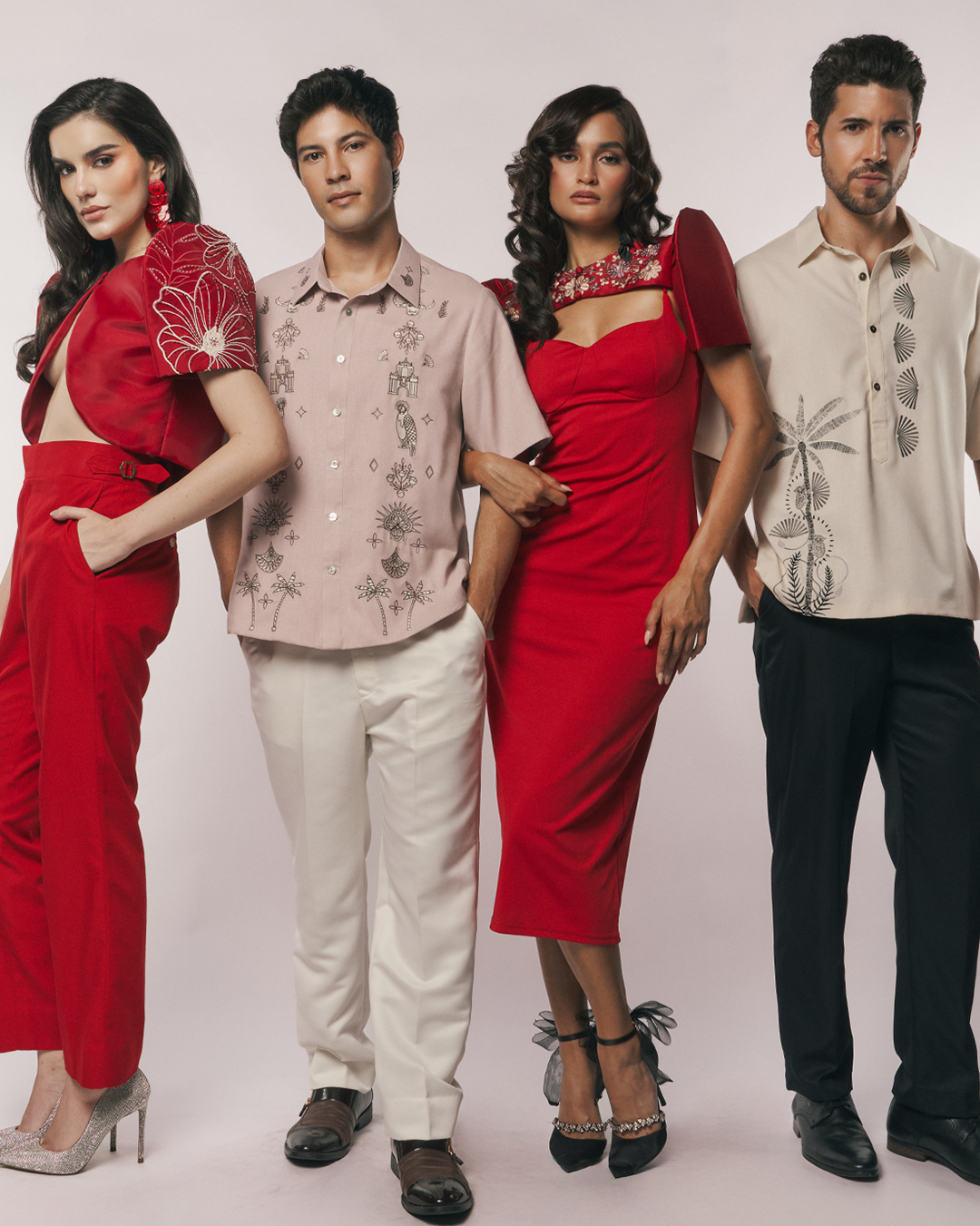
As we step into 2026, heritage-inspired clothing is no longer a niche aesthetic—it's a global movement reorienting fashion around craft, provenance, and cultural connection. In an era defined by economic caution, sustainability imperatives, and more discerning consumers, garments rooted in tradition are carving out a distinct place in wardrobes around the world. From West African strip-weave and Japanese sashiko to South Asian handlooms and Indigenous beadwork, the coming year will elevate how heritage is interpreted—not just what it looks like.
The Return of Craft as Value
Consumers today are buying fewer garments, but they want the ones they purchase to matter—to last longer, feel better, and tell a story anchored in skill. Craftsmanship isn’t just decorative; it’s becoming a core driver of perceived value across fashion categories. Visible stitches, thoughtful finishing, and hand-appliqué speak to the care behind a piece in ways that resonate with both premium buyers and mindful everyday shoppers (Boston Consulting Group, 2025).
This means that intricate embroideries, hand-tied smocking, and artisanal quilting will expand beyond occasional pieces into daywear staples. What’s more, brands committed to longevity will embrace repairable designs, making it easier for wearers to extend garment life.
Provenance as a Standard, Not an Add-On
In 2026, the provenance of a garment will matter not only to consumers but also to regulators. With traceability frameworks like Digital Product Passports gaining traction—especially across Europe—the industry is building infrastructure that makes origin claims transparent and verifiable (European Parliament, 2024).
For heritage-inspired brands, this means integrating supply chain storytelling into product data: where fibers come from, how dyes were applied, and what care practices sustain the life of a garment. QR codes and NFC tags may offer consumers real-time access to these details, creating an experience that blends heritage appreciation with modern transparency.
Cultural Collaboration Reimagined
As recent controversies in the broader fashion world have shown, borrowing motifs without context or consent can lead to backlash (Reuters, 2025). Wise brands are now shifting toward authentic partnership norms—collaborations where communities are acknowledged, compensated, and involved in design and decision-making.
Emerging best practices emphasize consent, equitable benefit sharing, and formal recognition of cultural knowledge. This evolution challenges simplistic “inspiration” narratives and encourages relationships that respect traditional cultural expressions as dynamic and owned by communities (Conservation International, 2025; World Intellectual Property Organization, 2024).
Material Innovation Meets Tradition
Textiles define the feel of heritage fashion. While sustainability concerns intensify, many fibers with deep cultural roots—like linen, hemp, and handwoven cottons—are also among the most resilient and enduring. These materials bring tactile richness and environmental credibility together, helping garments feel both grounded and forward-thinking (Textile Exchange, 2025).
Expect to see plaids, slubby linens, indigo dyes, and dry-hand silks in collections that blur the lines between legacy and innovation. The subtle beauty of these materials will echo through seasonal palettes of earth tones, soft neutrals, and thoughtful textures.
Silhouettes for Everyday and Everywhere
The silhouette trends of 2026 will channel relaxed tailoring and modular design. Think roomy pleated pants, softened jackets, and garments that layer without bulk. These silhouette qualities mirror the adaptability of traditional clothing from around the world—from workwear tunics in rural India to sashiko-reinforced outerwear in Japan (Domkapa, 2025).
Modular pieces—reversible jackets, detachable linings, multifunctional wraps—are also rising, offering versatility that matches varied climates and lifestyles while nodding to ancestral approaches to clothing adaptability.
Patterns that Reward the Close-Up
Rather than shouting with loud logos or oversized prints, heritage fashion in 2026 leans into quiet richness. Tone-on-tone jacquards, jacquard neutrals, and surface textures like brocade and dobby offer visual depth that rewards a closer look. This move toward understated pattern language aligns with broader style shifts prioritizing calm palettes and tactile complexity (Who What Wear, 2025).
Local Craft Ecosystems Grow in Strategic Importance
Global supply chains are being rethought due to rising trade friction and tariff uncertainty. Fashion brands are responding by investing in diversified, localized production—especially in artisan networks where craft traditions thrive. Supporting local makers not only strengthens supply resilience but also fosters economic opportunities in cultural epicenters (McKinsey & Company, 2025).
Editors and travelers alike are amplifying stories of global craft traditions, from Wichí weavers in Argentina to handloom communities in South Asia. These narratives resonate with consumers who see heritage clothing not as trend but as cultural conservation made wearable (CN Traveler, 2025).
Heritage Beyond Ethnicity
Finally, the concept of “heritage” is broadening. It’s no longer about ethnicity alone—it’s about place, trade, and technique. Historic workwear, naval uniforms, and rural textiles are all feeding into contemporary designs. This expansion enriches the language of heritage fashion, giving designers a spectrum of legacy references to reinterpret in ways that feel fresh and relevant (UNESCO, 2025).
References
Boston Consulting Group. (2025). The way forward for luxury starts at the core. https://www.bcg.com/publications/2025/the-way-forward-for-luxury-starts-at-the-core
Conservation International. (2025). Guide for respectful partnerships between fashion brands and Indigenous peoples. https://www.prnewswire.com/news-releases/conservation-international-releases-guide-for-fashion-industry-how-to-build-stronger-respectful-partnerships-with-indigenous-peoples-and-local-communities-302151692.html
Domkapa. (2025). Textile trends 2026: Patterns, weaves, color directions. https://domkapa.com/en/blog/inspiration/textile-trends-2026-patterns-weaves-colour-directions/
European Parliament. (2024). Report on traceability and digital product passports. https://www.europarl.europa.eu/RegData/etudes/STUD/2024/757808/EPRS_STU%282024%29757808_EN.pdf
McKinsey & Company. (2025). The state of fashion 2025. https://www.mckinsey.com/industries/retail/our-insights/state-of-fashion
Reuters. (2025, August 11). Adidas apologizes for sandal design appropriating Indigenous Mexican art. https://www.reuters.com/business/retail-consumer/adidas-apologises-sandal-appropriating-indigenous-mexican-design-2025-08-11/
Textile Exchange. (2025). 2025 Materials Market Report. https://textileexchange.org/knowledge-center/reports/materials-market-report-2025/
UNESCO. (2025). Traditional craftsmanship and fashion. https://ich.unesco.org/en/traditional-craftsmanship-00057
Who What Wear. (2025). Winter-spring transitional trends for 2026. https://www.whowhatwear.com/fashion/trends/winter-spring-transitional-trends-2026

Leave a comment
This site is protected by hCaptcha and the hCaptcha Privacy Policy and Terms of Service apply.